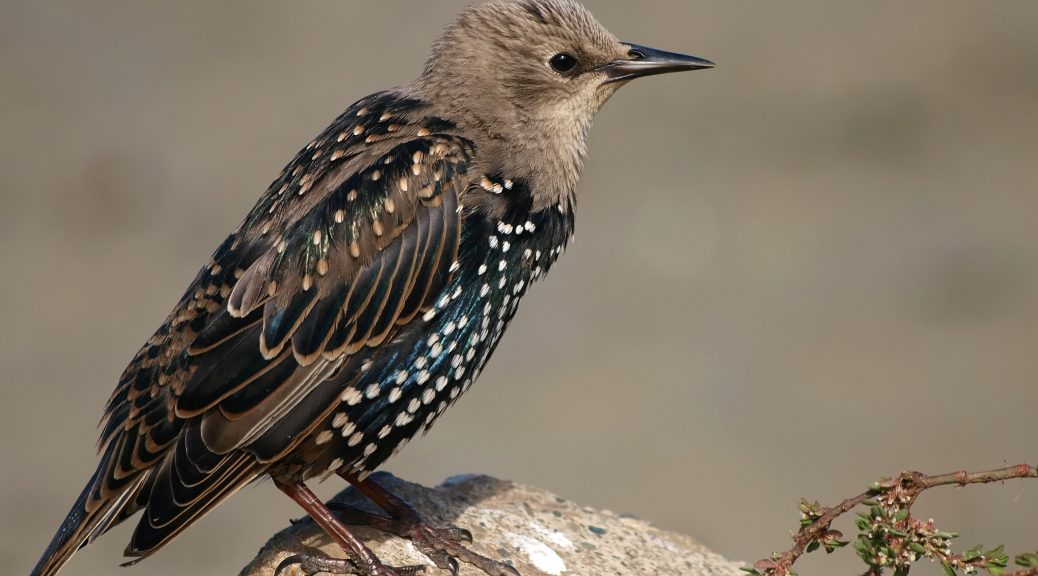
Common Starling

History and distribution

Starlings (Sturnus vulgaris) are native to Eurasia and northern Africa. It is now a global species having been introduced and become established in South Africa and North America. They were introduced into Australia and New Zealand in the mid 1880’s, both by acclimatisation societies and by others, in the vain hope that they might destroy insect pests.Starlings are common throughout the lower parts of New Zealand and are one of the most common species in lowland suburban and cleared agricultural areas of the south east of Australia. They also occur in open woodlands, irrigated pasture, feedlots, mulga, mallee, reed-beds around wetlands, coastal plains, and occasionally alpine areas. They avoid dense woodlands, forests, rainforest and arid regions. Their failure to colonise the apparently suitable habitat of south-west of Western Australia is due to continual control of emerging populations and the barrier of the Nullarbor Plains. Availability of water appears to be important to their survival hence high rainfall regions, irrigated areas, temporary surface water, and flooded drainage swamps support high densities.

Biology

Unlike many of the northern European native populations, starlings are relatively sedentary in Australia and New Zealand. They show no large-scale seasonal movements, although young individuals will travel distances of up to 2000 km when dispersing from breeding sites. In urban areas they are more sedentary with seasonal fluctuations in abundance due to high juvenile mortality and dispersal. However, small regional movements in response to food availability are common, particularly in cultivated and cleared agricultural areas.
After sunrise, starlings depart from large groups of up to 25 000 at roosting sites and disperse in smaller groups to a variety of feeding areas. They usually feed within 2 km of the roost, but can travel up to 80 km in areas of lower food availability. During autumn and winter, they form larger flocks, leave the roost earlier, travel greater distances and are less tied to particular feeding sites. During these seasons, short-term movements may centre on feeding areas rather than roosting or nesting locations.
Starlings require protein to live and breed with invertebrates comprising over half their daily food intake. They also consume fruit, berries, vegetables, meat and food scraps, and seeds of cultivated grains.
Starlings are seasonal breeders with a peak of breeding activity in August-September. They form pairs and nest in tree hollows, holes in the ground and gaps or crevices in cliffs, shrubs, tree stumps, fence posts and eaves and under rooves of buildings. Starlings produce 2-3 broods a year with an average of 4-6 eggs with each brood. The incubation period is 12 days and the young take 14 days to fledge.

Damage

Starlings can cause significant damage to horticultural industries, particularly cherries, grapes, blueberries, olives, stone fruits, apples, pears and a range of vegetable crops. They will also damage drying fruit and, occasionally, birds will remove fruit from drying racks. Cereal crops are susceptible when grain is freshly sown and during ripening. Grain from feedlots, storage areas, piggeries, dairies and poultry farms is often consumed. They can also carry many parasites and diseases which raise concern in food factories and industrial areas and are a potential risk to livestock industries. For example, they are implicated in carrying and in some cases transmitting Salmonella, Cryptococci, Newcastle Disease (poultry) and transmissible gastroenteritis (pigs), although the risks remain un-quantified. Environmental impacts centre round their aggressive competition for nest hollows which is potentially serious for some native species such as the double-eyed fig parrot and turquoise parrot.
Starlings are also considered to be a major nuisance in urban areas. They will nest under rooves where they can infest houses with bird lice, are often unwelcome in parks and shopping areas, especially at night where the roosting flocks can be unsightly, noisy and can contaminate the area with droppings.

Management

Being such a widespread and common species, damage control is best achieved by action targeted to problem areas. Wide-scale population reduction is unlikely with currently available methods. Exclusion by netting to deny access to nesting and roosting areas is the most effective control method. Shock track installed to all ledges and parapets to stop birds from roosting.
Shooting and scare guns have only short term benefits at best with the birds rapidly adapting to the intrusion.
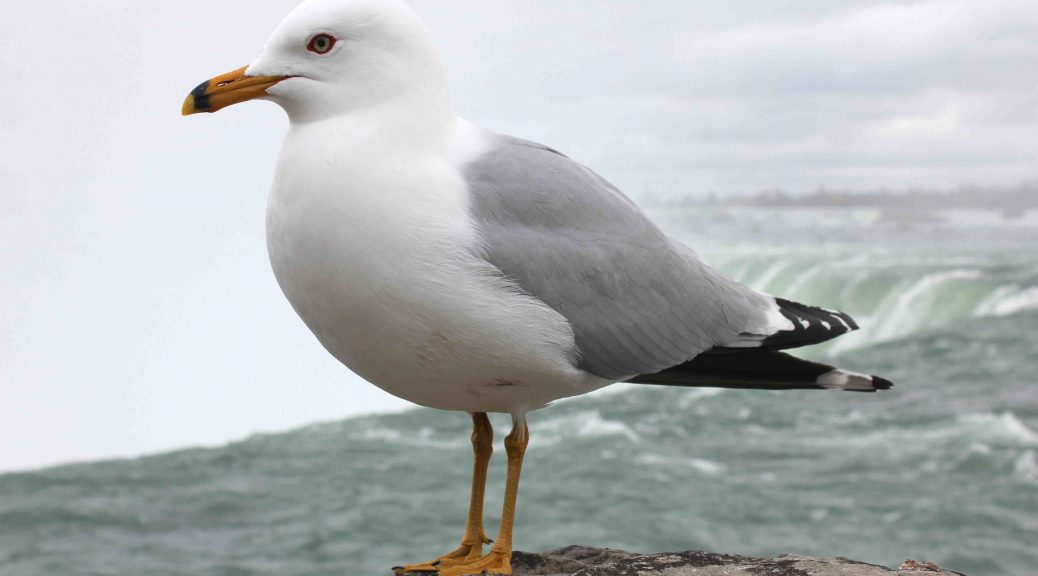
Seagulls

Background

Silver Gulls, commonly known as “seagulls”, are Australian native birds that are part of our coastal
Environment, and as such they are protected under the Victorian Wildlife Act 1975. Under this
Legislation it is an offence to harm. Kill, destroy, take or injure protected wildlife by any means without a
permit.
In recent years there has been increasing numbers of seagulls nesting on buildings in urban areas,
such as the Frankston’s CBD and Docklands. Seagulls can breed all year, but according to the
Department of Sustainability and Environment (DSE), the peak breeding season occurs from July to October each year.

Contributing factors

Available food supply:
Silver gulls are opportunistic feeders, meaning they will take whatever food is available, and their
populations can increase when an abundant food supply is available.
Available roosting sites:
Available roosting sites in their natural habitat, beaches and headlands, are increasingly limited due to
their current overabundance. This has caused Silver Gulls to find alternative flat open areas to roost
such as roofs, car parks, boats and piers.
Lack of a natural predator:
The Peregrine Falcon is one of the Silver Gull’s natural predator of the Silver gulls and would have
assisted in maintaining silver gull numbers. Due to overdevelopment and loss of suitable habitat the
peregrine falcon is now rarely seen in Frankston.

Issues

The presence of seagulls has a number of potential impacts on buildings, such as:
• Blockage of gutters and flooding
• Contamination of stormwater off roofs
• Corrosion of metal roofs
• Amenity issues involving unsightly fouling of roofs, cars, work and recreation areas
• Creation of slip hazards
• Animal welfare

Preventative measures

There are a number of preventative measures available to help reduce the impacts of seagulls
including:

• Restricting access to available food
• Roof exclusion structures
• Roof modifications to remove potential nesting sites
• Frightening seagulls by using recordings that imitate ’birds of prey’;
• Removal of egg and nesting material from roofs but only with a DSE permit to do so and using a
licensed wildlife handler.

Available food Supply:

Seagull numbers can be controlled by reducing their available food supply. This can be done through
not feeding them and ensuring that food waste is not left at sporting events, the beach and unsecured
in the street or in bins.
Any details regarding these activities should be reported to Council on1300 322 322

Roof Exclusion Structures
The most effective long term solution is the use of appropriately fitted roof exclusion structures which
prevents access to rooftops by Silver Gulls. When effective these structures will restrict Silver Gulls
from roosting on roofs, causing the abovementioned issues, and eliminate the risk of birds becoming
entangled.

An effective well designed system is:

• Made with UV stabilised material, to provide a long term solution
• Taut and checked regularly to maintain tension
• Installed by experience contractors who guarantee their structures
• Not harmful to Silver Gulls while excluding them
• Allows easy access for rooftop maintenance activities
• Eliminate access to the roof by Silver Gulls to roost

An ineffective design system is:

• Made with inferior material, for example fishing line, that only provides a short term solution
• Creates loose and broken lines that crossover
• Allows Silver Gulls to roost on the roof through access points
• Not allowing access for rooftop maintenance as inferior zip gate structures can corrode and fail

Pigeon

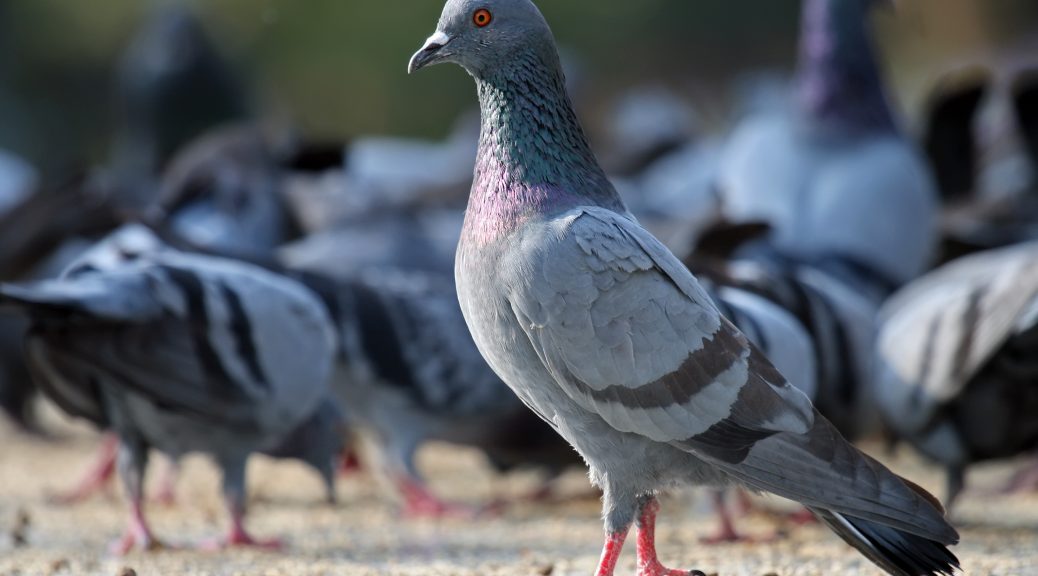
Pigeon Control Melbourne & Geelong

Effective, Long-Term Solutions to Stop Pigeons for Good
Pigeons can quickly become a serious problem—damaging property, creating mess, and posing health risks. If left untreated, a small issue can rapidly turn into a large infestation.
At A Class Bird Control, we provide targeted pigeon control solutions that not only remove the problem—but prevent it from coming back.


Stop the Damage & Health Risks

Pigeons don’t just create nuisance—they can lead to:
• Corrosive droppings damaging roofs, gutters and equipment
• Blocked drains and fire hazards from nesting debris
• Contamination of workspaces and air systems
• Ongoing cleaning and maintenance costs
Early action is the key to avoiding expensive repairs.


Our Proven Pigeon Control Solutions

We assess your property and recommend the most effective combination of treatments for long-term results:
• Bird netting and exclusion systems
• Spikes, wire and landing deterrents
• Shock track and advanced deterrent systems
• Solar panel bird proofing
• Trapping and humane population control (where required)
Every solution is tailored to your site—no one-size-fits-all approach.


Why Choose A Class Bird Control?

• Bird control specialists with nearly 20 years’ experience
• Custom solutions designed for your property
• Fully licensed, insured, and trained for working at heights
• Servicing Melbourne, Geelong and surrounding areas
We focus on long-term prevention, not just short-term fixes.


Get a Quote for Pigeon Control

Don’t let pigeons damage your property or disrupt your business. 👉 Contact A Class Bird Control today for expert advice and a fast, tailored quote.

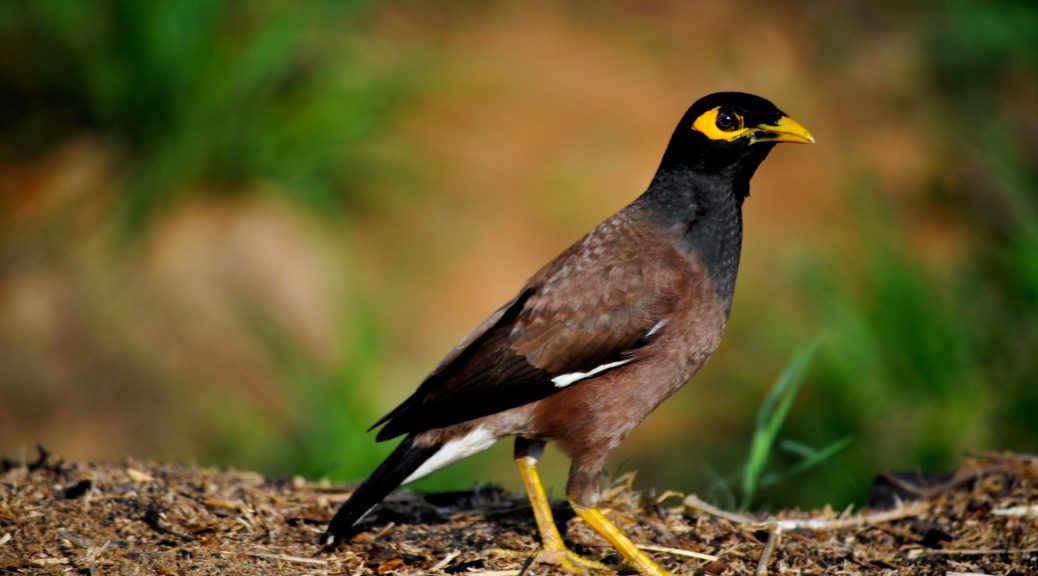
Indian Myna

Indian Myna Control Melbourne & Geelong

Effective, Humane Trapping Solutions for Invasive Myna Birds

Indian myna birds are one of Australia’s most aggressive invasive species—known for displacing native birds, creating mess, and damaging properties.

At A Class Bird Control, we provide professional myna control solutions, including the highly effective Myna Magnet trapping system, designed to safely reduce populations in targeted areas.


Why Indian Mynas Are a Problem
Mynas thrive in urban environments and can quickly become a serious nuisance:
• Displace native bird species and take over nesting sites
• Create noise, mess and ongoing disturbance
• Build nests in roofs and gutters, causing blockages and damage
• Leave droppings that create hygiene and safety risks
Without intervention, populations can grow rapidly and become difficult to manage.


Targeted, Humane Myna Control
The Myna Magnet trap is a proven, selective system developed through years of research:
• Specifically targets Indian myna birds
• Humane and environmentally responsible
• Designed to reduce local populations effectively
• Ideal for residential, commercial and public spaces
Trapping is most effective when combined with site-specific advice and prevention strategies, which we provide as part of our service.


Professional Advice & Ongoing Solutions
Every property is different. We assess your site and recommend the best approach to control and prevent myna activity, which may include:
• Trapping programs for population reduction
• Nesting and access control
• Integration with other bird-proofing solutions if required
Our goal is not just short-term removal—but long-term control.


Why Choose A Class Bird Control?
• Specialists in bird control solutions
• Nearly 20 years of industry experience
• Humane, compliant and effective methods
• Servicing Melbourne, Geelong and surrounding areas


Get a Quote for Myna Control
Take control of invasive myna birds before they become a bigger problem.
👉 Contact A Class Bird Control today for expert advice and a tailored quote.

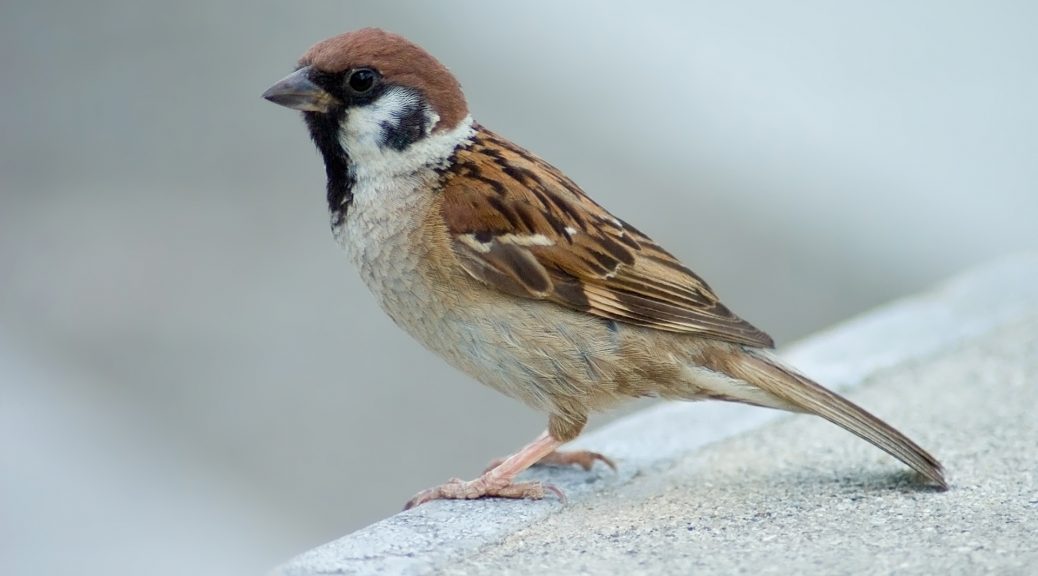
Sparrow

Identification:

The House or English Sparrow “is a brown, chunky bird, about 5.75 inches long.” Sparrows are commonly found around human-made habitats. “The male has a distinctive black bib, white cheeks, a chestnut mantle around the gray crown, and chestnut-colored feathers on the upper wings. The female and young have plane, dingy-gray breast, a distinct buff eye stripe, and a streaked back.”

Habitat:

The house sparrow can be found in almost every habitat, except for dense forest, desert, and alpine environments. Sparrows’ most common areas to live is human-altered habitats, for example: barns and houses. Livestock pastures and seeds provide plenty of food for sparrows.

General Biology:

Reproduction can occur during any month, but is most common during the months of March through August. “The male usually selects a nest site and controls a territory centered around it. Nests are bulky, roofed affairs, built haphazardly and without good workmanship.” This is a common trait of the weaver finch group of birds. “Sparrows are loosely monogamous.” Both male and female take care of the young, even though the female does most of the brooding. Sparrows lay between 3 to 7 eggs. The eggs will hatch 10 to 14 days after incubation. The young leave the nest after 15 days, however the adults will continue to feed the young for two weeks after leaving the nest. House sparrows are aggressive and social. Sparrows are not a migratory bird. Studies have shown that non-breeding adult and juveniles will only move in a 5 mile radius of its original nest; in search of new territories and feeding areas. “Mortality is the highest during the first year of life. The sparrow’s success in the wild depends on its ability to adapt to new habitats, especially those that are made by humans.

Damage:

House sparrows feed on grains in fields and in storage. Because they feed in large numbers in small areas, their damage is considerable. “Because sparrows live in such close association with humans, they are a factor in the dissemination of diseases (chlamydiosis, cocidiosis, erysipeloid, Newcastle’s, parathypoid, pullorum, salmonellosis, transmissile gastroeneteritis, tuberculosis, various encphalitis viruses, vibriosis, and yersinosis), internal parasites (acariasis, taeniasis, schistosomiasis, toxoplosmosis, and trichomoniasis), and household pests (bed bugs, carpet beetles, clothes moths, fleas, lice, mites, and ticks.” Fecal contamination of grain storage facilities causes serious monetary damage as well as health risks and pest problems. “House sparrow droppings and feathers create janitorial problems as well as hazardous, unsanitary, and odoriferous situations inside and outside of buildings and sidewalks under roosting areas. Sparrows can cause structural damage by pecking at rigid foam insulation inside of buildings. “The bulky, flammable nests of house sparrows are a potential fire hazard.” House sparrows compete with native American birds for favored nesting sites.

Damage Prevention:

Eliminate any possible areas that could be used to secure a nest or could be a roosting area.

Methods of Treatment:
  • Bird Netting
  • Shock Track
  • Mist net
  • Trapping